Scuba Diving Certification
Getting scuba certified is an exciting first step toward exploring the underwater world. For beginners, understanding how training works can make the experience more comfortable and help them prepare for their first dives. Scuba certification involves learning essential diving principles, practicing important skills, and demonstrating the ability to dive safely within the limits of the certification.
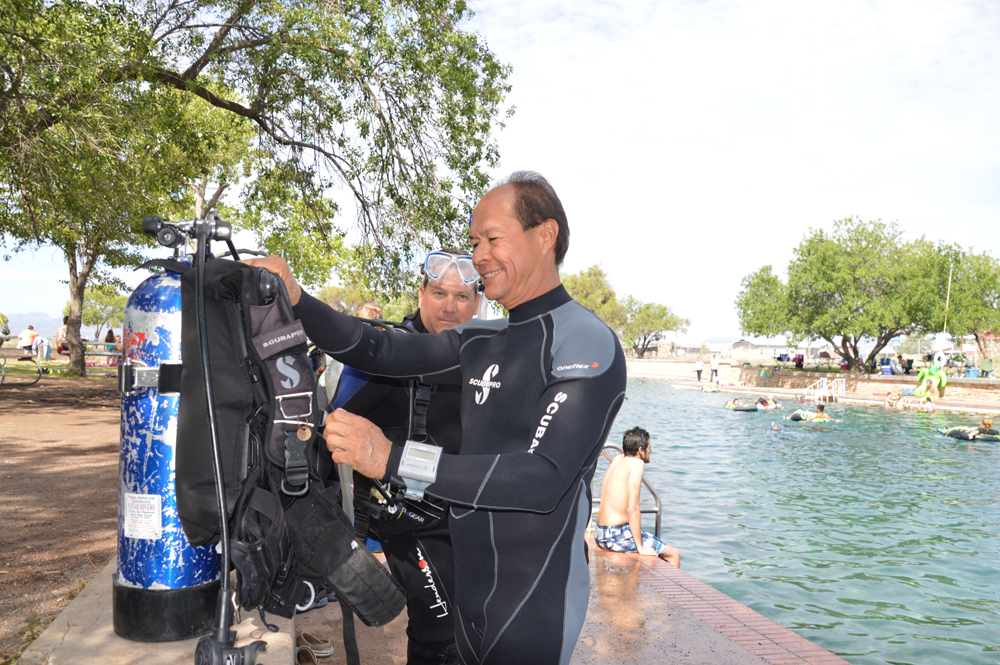
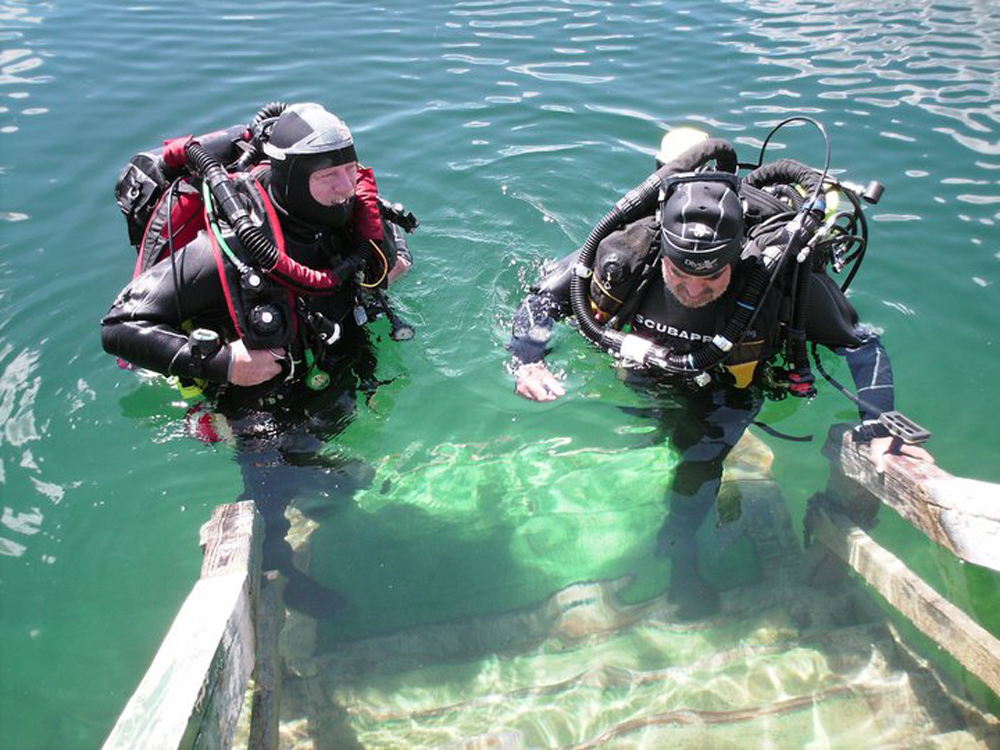
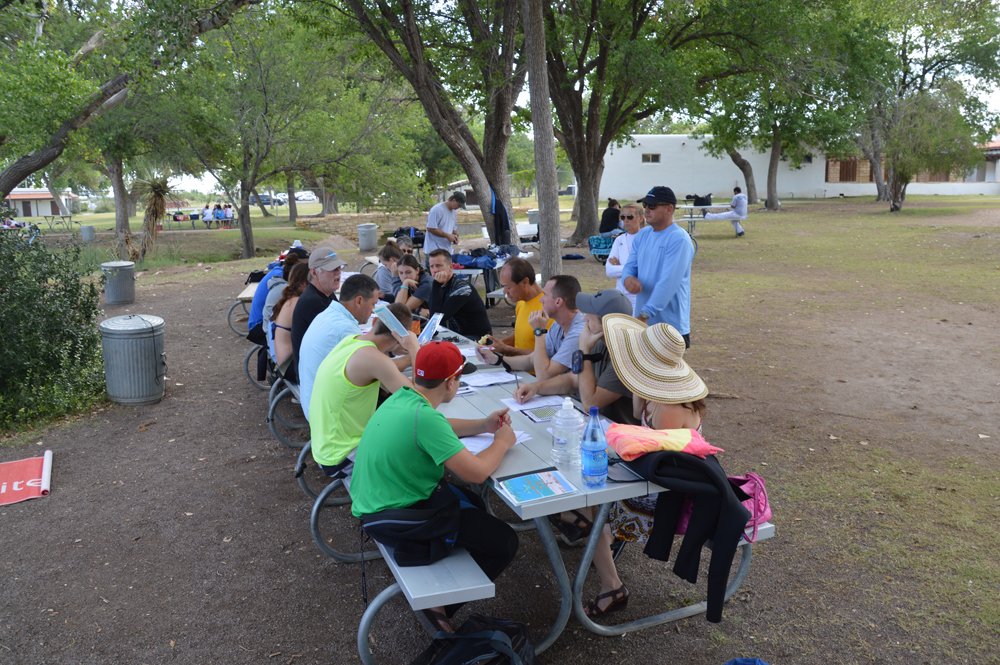
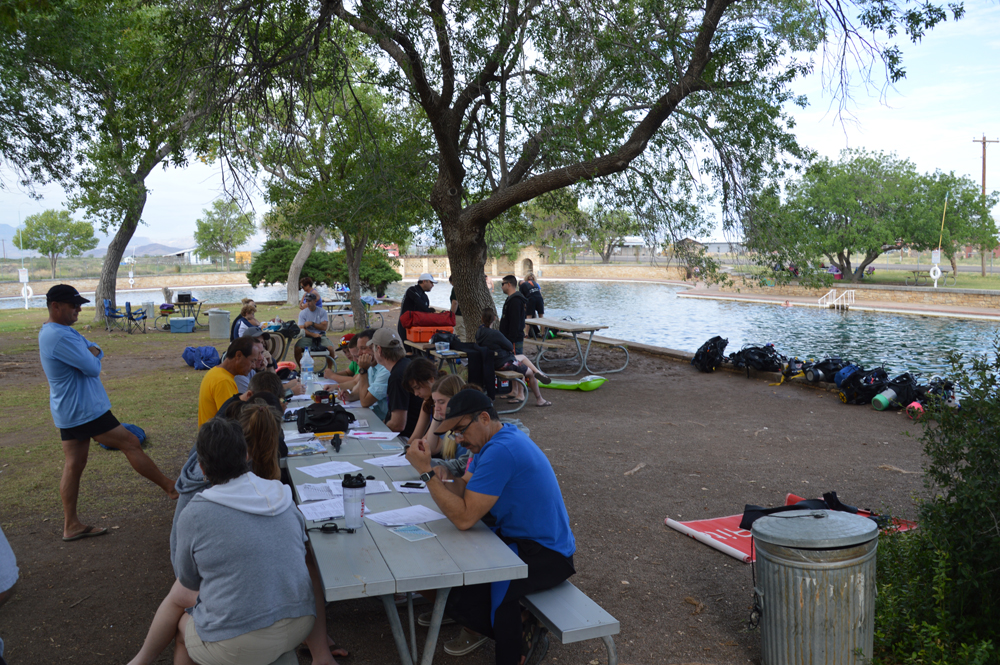
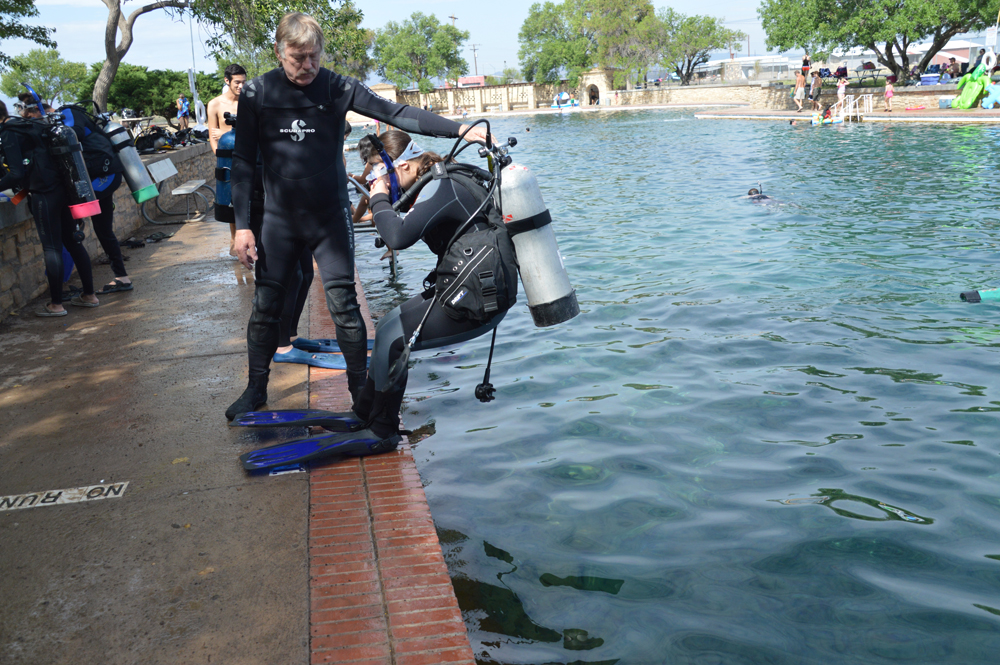
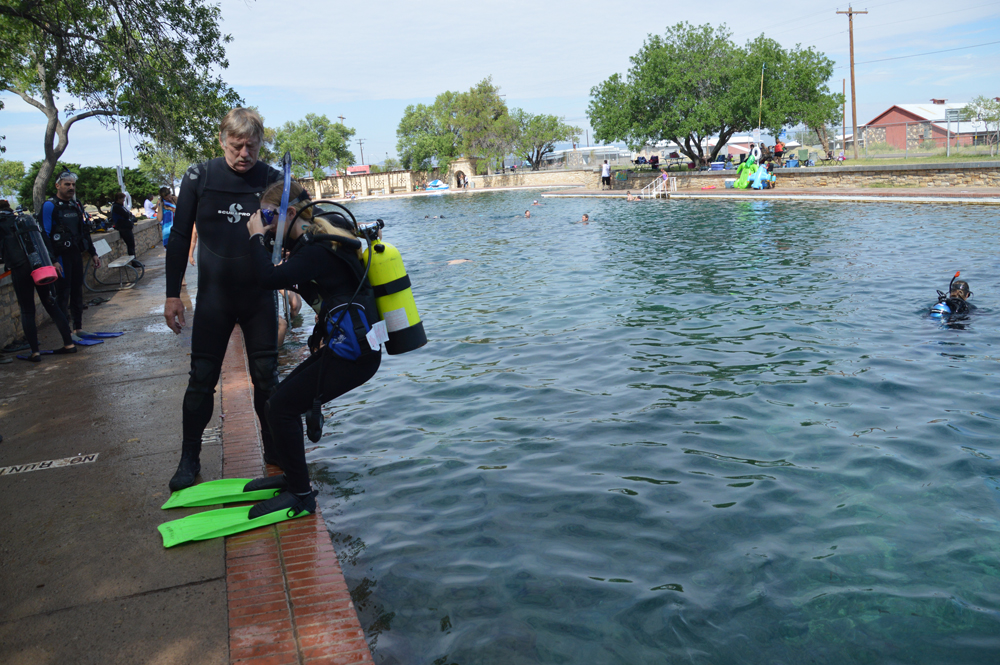
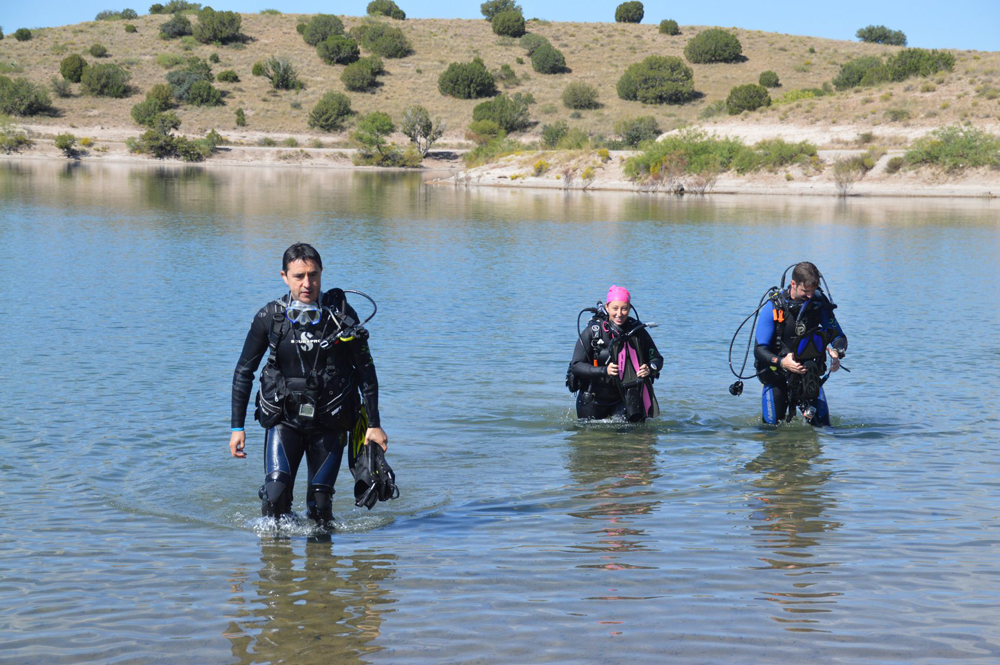
The PADI Open Water Diver course generally combines independent learning, confined-water training, and open-water dives. Students learn about scuba equipment, underwater communication, buoyancy control, dive planning, and important safety procedures. Confined-water sessions provide an opportunity to practice skills in a controlled environment before completing certification dives in open water.
Our training programs help students build the knowledge, confidence, and practical experience needed to begin recreational scuba diving. Completing certification opens the door to future diving opportunities, additional training, and underwater adventures.
What Comes After Your Open Water Scuba Certification?
Earning your Open Water Diver certification is an important milestone, but it is only the beginning of what you can experience as a scuba diver. Once certified, divers can continue developing their abilities through additional training, different diving environments, and specialty courses that introduce new skills and techniques.
The PADI Advanced Open Water Diver course provides opportunities to explore different types of diving while improving underwater navigation, buoyancy, and overall confidence. Divers interested in specific activities can also pursue specialty training such as night diving, wreck diving, underwater photography, deep diving, or enriched air diving. Each course focuses on particular knowledge and skills that can expand a diver’s understanding of underwater environments.
Can I Learn to Scuba Dive If I Have No Previous Experience?
Yes, you can learn to scuba dive without any previous experience by enrolling in a beginner-level certification course designed to teach essential underwater skills. Many first-time divers worry about breathing underwater, handling equipment, or feeling uncomfortable in deeper water. These concerns are common, and professional scuba instruction introduces new skills gradually through classroom or online learning, confined-water practice, and supervised open-water training. Students learn how to use scuba equipment, communicate underwater, control buoyancy, and respond appropriately to common diving situations. Course participation also depends on meeting applicable age, swimming, and medical requirements.
Our PADI Open Water Diver course provides structured training for beginners who want to become certified scuba divers. Students begin by learning fundamental diving principles before practicing skills in a controlled environment and completing the required open-water dives. Our certified instructors help students develop confidence while emphasizing proper technique, equipment familiarity, and safe diving practices. If you’ve been interested in scuba diving but feel uncertain about getting started, professional instruction provides a practical path toward learning the skills needed to explore underwater environments.
Why Do My Ears Hurt When I Try to Scuba Dive?
Your ears may hurt while scuba diving because pressure increases as you descend, and the air pressure inside your middle ears has not equalized with the surrounding water pressure. This pressure difference can create discomfort, a feeling of fullness, or sharp pain. Equalization problems are common among newer divers who may descend too quickly, wait too long before equalizing, or have difficulty using the proper technique. Nasal congestion, allergies, and other conditions can also make equalization more difficult. Continuing to descend while experiencing ear pain can cause injury, so discomfort should never be ignored or treated as a normal part of diving.
The safest approach is to stop descending, signal your dive buddy or instructor, and ascend slightly if necessary until the discomfort improves. Equalization should be performed gently and frequently during descent rather than waiting until significant pressure develops. Never force equalization or continue descending through pain. Our scuba instruction courses introduce students to proper descent procedures, pressure equalization techniques, and underwater communication. If equalization remains difficult or you experience persistent pain, hearing changes, dizziness, or other symptoms, end the dive and seek evaluation from a medical professional familiar with diving medicine before returning to the water.
What Should I Do If I Haven't Been Scuba Diving in Several Years?
If you haven’t been scuba diving in several years, taking a refresher course is a practical way to rebuild your confidence and review essential diving skills before returning to open water. Even certified divers can become less comfortable with equipment setup, buoyancy control, underwater communication, and emergency procedures after an extended break. While your scuba certification generally does not expire, diving without recent practice can make unfamiliar conditions more challenging. Returning divers should also consider changes in their physical fitness, health, and equipment since their last dive.
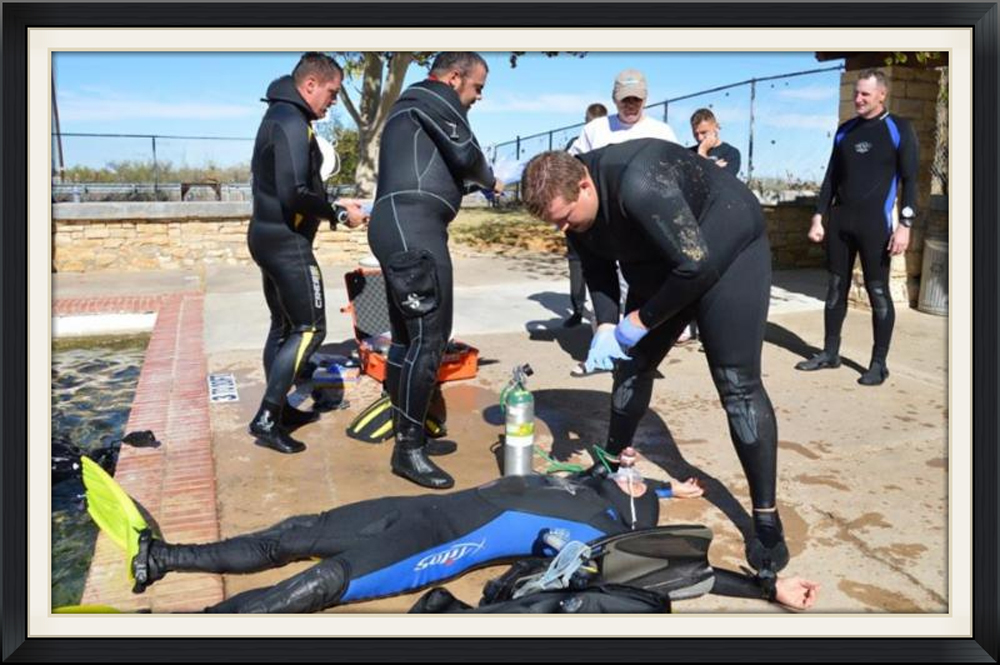
Our PADI ReActivate program helps certified divers review important scuba knowledge and refresh skills they may not have practiced recently. Depending on your experience and needs, refresher training can cover equipment assembly, regulator recovery, mask clearing, buoyancy control, and other fundamental procedures. Working with a qualified instructor provides an opportunity to identify areas where additional practice may be helpful before planning another dive trip. Whether you’re preparing for a vacation or simply want to return to recreational diving, refreshing your skills can help you feel more prepared and comfortable underwater.
Why Does My Scuba Mask Keep Leaking or Fogging Up?
A scuba mask may leak or fog because of an improper fit, an obstructed seal, or condensation forming on the inside of the lenses. Masks that are too large, too small, or poorly matched to your facial shape may allow water to enter even when the strap is tightened. Hair caught beneath the silicone skirt, a folded seal, or an incorrectly positioned strap can also contribute to leaking. Fogging occurs when moisture condenses on the lens surface, reducing underwater visibility and making the dive less comfortable. These problems are common among beginners but can also affect experienced divers using unfamiliar equipment.
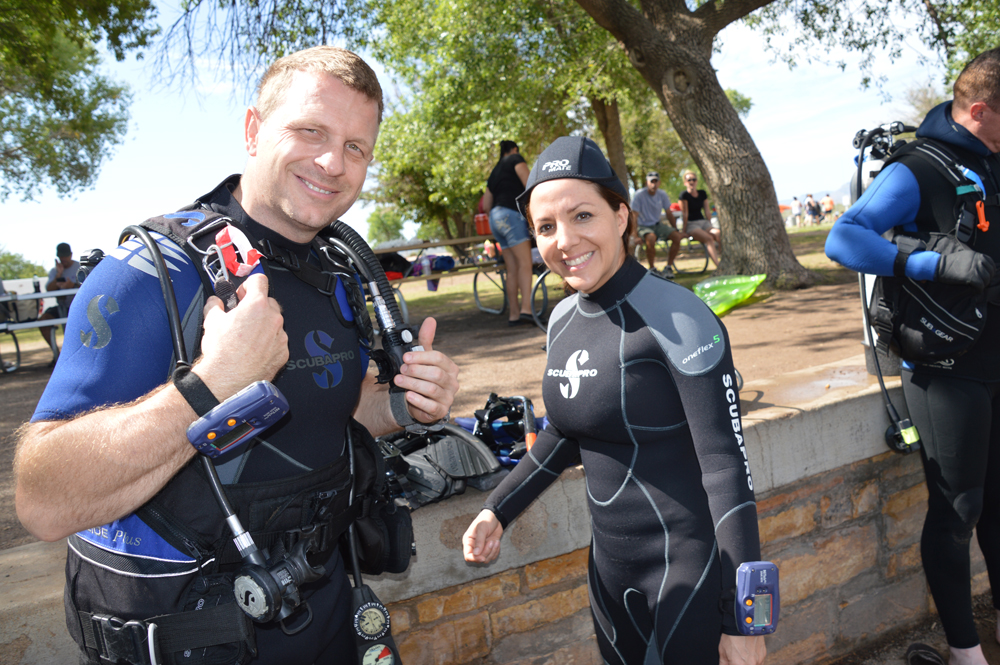
Choosing a properly fitted mask is one of the most effective ways to reduce leaking and improve comfort. A mask should create a gentle seal against your face without requiring excessive strap tension. To reduce fogging, follow the manufacturer’s lens preparation and cleaning instructions and use a compatible mask defogging product. As a Scubapro Platinum Dealer, we offer scuba and snorkeling equipment in our El Paso store, allowing customers to explore different equipment options before purchasing. Selecting a mask that fits correctly and maintaining it properly can help reduce distractions and make underwater activities more enjoyable.
Where Can You Get Scuba Certified in El Paso, Texas?
You can get PADI scuba certification training at 5 Star Divers in El Paso, Texas. Our courses help beginners throughout El Paso, Horizon City, Socorro, and surrounding communities develop the skills and knowledge needed to become certified scuba divers.
Training includes knowledge development, confined-water practice, and supervised open-water dives. Students learn how to use scuba equipment, control buoyancy, communicate underwater, and follow essential diving safety procedures. Whether you’re preparing for an upcoming vacation or interested in exploring scuba diving as a new hobby, our courses provide a structured way to get started.
How Can El Paso Divers Continue Their Scuba Education?
Certified scuba divers in El Paso can continue their education through PADI advanced and specialty courses offered at 5 Star Divers. These programs help divers throughout El Paso, Horizon City, Socorro, and surrounding communities improve their skills and prepare for new underwater experiences.
Continuing education can include advanced recreational diving, underwater navigation, buoyancy control, and additional diving safety skills. Further training helps divers become more comfortable in different underwater environments while expanding the types of dives they can participate in. Whether you’ve recently completed your Open Water certification or want to build on years of experience, we offer opportunities to continue developing your diving abilities.