

A Beginner's Guide to Scuba Diving
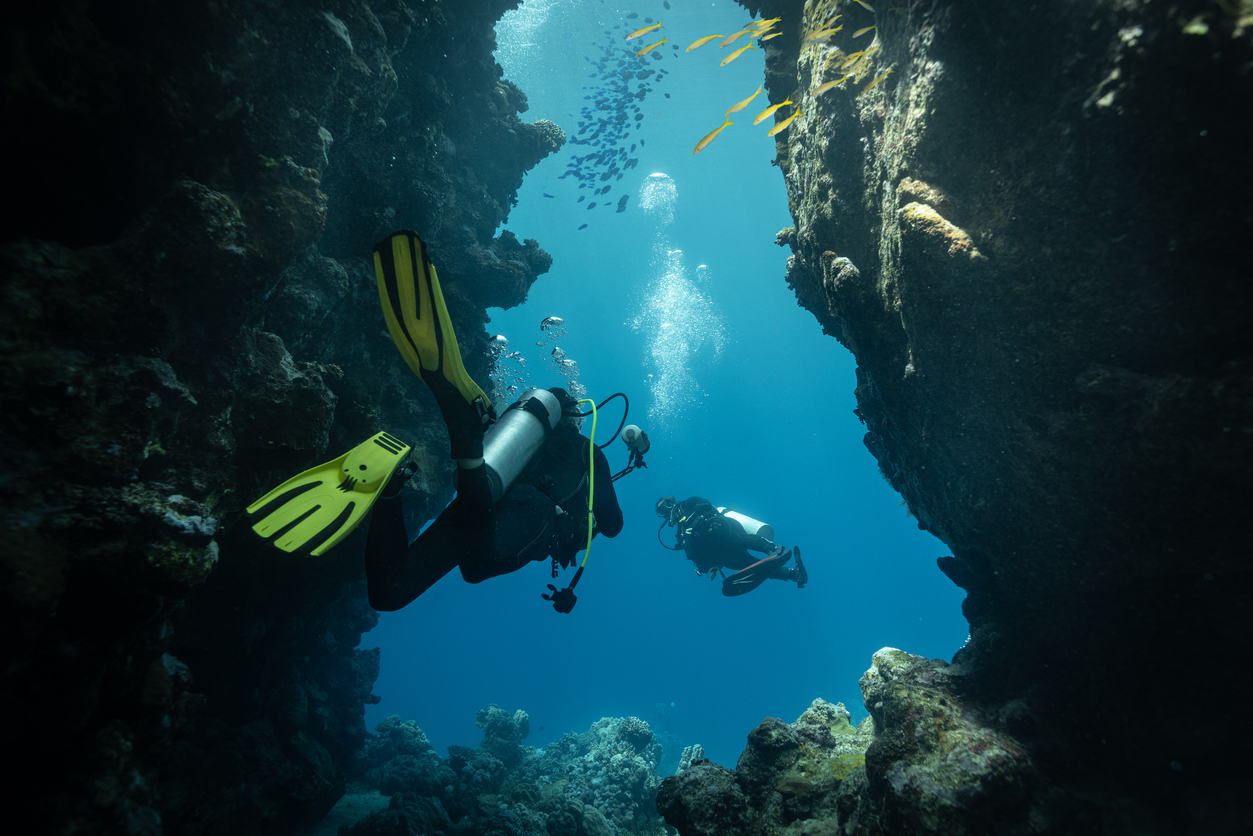
Scuba diving allows you to explore underwater environments, observe marine life, and experience destinations from an entirely different perspective. Before beginning recreational scuba diving independently of an instructor, however, you need the proper training. Earning a scuba certification teaches you how to use diving equipment, understand underwater conditions, and develop the skills necessary to dive safely with a buddy.
At 5 Star Divers, we help aspiring divers in El Paso, Texas, begin their underwater adventures through professional scuba instruction. Whether you’re preparing for a vacation, interested in a new recreational activity, or planning to pursue advanced diving opportunities, understanding the certification process is the first step toward becoming a confident, capable diver.
- Most beginners start with the PADI Open Water Diver course, which combines knowledge development, confined-water training, and open-water dives.
- Certification involves learning equipment use, underwater communication, buoyancy control, and essential safety procedures.
- Once certified, divers can continue building experience through recreational diving, additional training, and specialty courses.
Start Your Scuba Diving Journey
Scuba certification is your first step toward exploring the underwater world. Learn about the training process, essential equipment, and opportunities to build your diving skills with 5 Star Divers.
What Is a Scuba Diving Certification?
One of the most widely recognized beginner certifications is the PADI Open Water Diver certification. This program introduces new divers to the knowledge and practical skills required to participate in recreational scuba diving within their training limits.
Certification training covers topics such as underwater pressure, breathing compressed air, equipment operation, dive planning, buddy procedures, and responding to common diving problems.
Rather than simply learning how to breathe underwater, students develop an understanding of how to prepare for a dive, manage their equipment, and make informed decisions in an underwater environment.
What Are the Steps to Becoming a Certified Scuba Diver?
Knowledge Development: Students begin by learning scuba diving principles, equipment fundamentals, safety procedures, and dive planning concepts. Depending on the program, this portion may be completed through online learning or instructor-led instruction.
Confined-Water Training: After learning the fundamentals, students practice essential skills in a pool or another suitable confined-water environment. This is where new divers become familiar with breathing through a regulator, controlling buoyancy, clearing water from their masks, and responding to equipment-related situations.
Open-Water Training Dives: The final stage involves completing supervised dives in an appropriate open-water environment. Students demonstrate the skills they have practiced while becoming comfortable diving under real conditions.
Successful completion of all required training and performance standards leads to certification.
How Long Does It Take to Get Scuba Certified?
Knowledge development may be completed before in-person instruction, allowing students to spend more of their scheduled training time practicing skills.
Confined-water sessions and open-water dives must also be completed successfully. Some students finish their training over several days, while others prefer a schedule spread across multiple weekends.
At 5 Star Divers, we encourage prospective students to consider their availability and upcoming travel plans when preparing for certification. Starting early provides time to learn the material, practice skills, and address questions without rushing the process.
What Equipment Will You Use During Scuba Certification?
Common equipment includes a mask, snorkel, fins, regulator, buoyancy control device (BCD), scuba cylinder, pressure gauge or integrated air-monitoring system, exposure protection, and appropriate weighting.
Students learn how each component works, how to inspect their equipment, and how to assemble and prepare a scuba system before entering the water.
Proper fit is important because poorly fitting equipment can make training more difficult. A mask that leaks, uncomfortable fins, or an improperly adjusted BCD may distract a student from learning essential skills.
At 5 Star Divers, we can help new divers understand equipment features and explore suitable gear options as they prepare for training and future diving.
What Happens After You Earn Your Open Water Certification?
Becoming certified is the beginning of your scuba diving experience, not the end of your education. Newly certified divers can continue practicing their skills through appropriate recreational dives with qualified buddies. Gaining experience in different underwater environments helps improve comfort, awareness, and equipment familiarity. Additional training can introduce divers to new activities, such as underwater navigation, deeper recreational diving, and specialized diving techniques. For divers who want to continue developing their abilities, the PADI Advanced Open Water Diver course and other continuing education opportunities provide a structured path forward.
Frequently Asked Questions
Whether you’re new to scuba diving, planning a vacation, or returning after a break, 5 Star Divers is here to help. Explore our FAQs to learn about certification, training, and staying dive-ready.
No. Beginner-level scuba certification programs are designed for people without previous scuba experience. Students must meet the applicable age, medical, swimming, and course requirements.
Yes. Completing certification before traveling can allow you to spend more of your vacation enjoying suitable recreational dives rather than attending beginner training sessions. Plan enough time to complete all required training.
PADI Open Water Diver certification generally does not expire. However, divers who have been inactive for an extended period should consider a refresher program before returning to the water.
